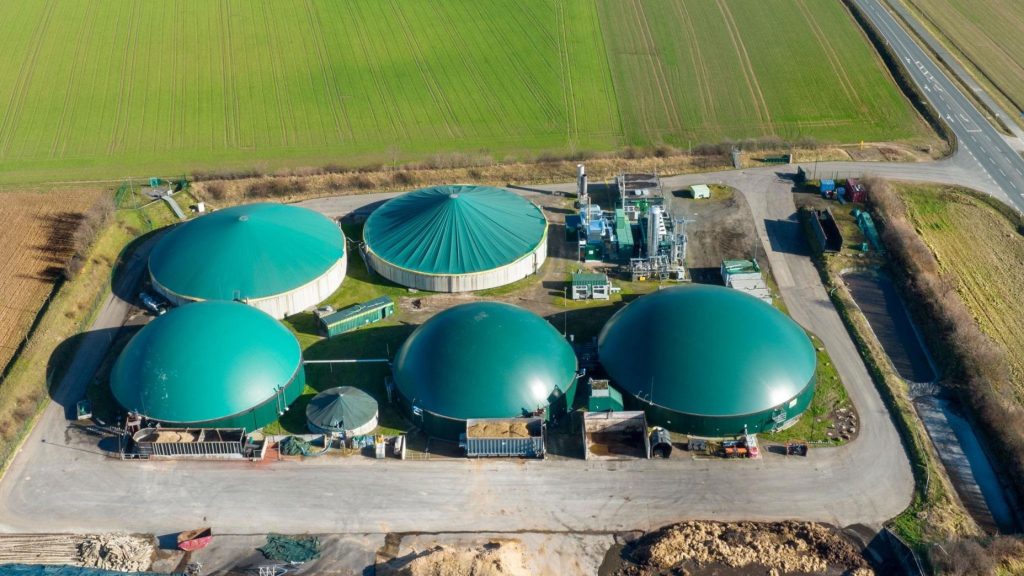
Malaysia has taken another step in developing its renewable gas market. On 5 August 2026, the I-TRACK Foundation approved Malaysia for the issuance of I-TRACK(G) certificates, introducing an internationally standardised framework for tracking the energy attributes of biogas and biomethane.
For companies considering renewable gas procurement, the approval provides another way to access renewable gas attributes.
Through a mechanism known as book-and-claim, companies can purchase renewable gas certificates independently of physical gas delivery. This may be particularly relevant to businesses that want to support renewable gas production but face infrastructure or logistical limitations in sourcing biomethane directly.
However, purchasing certificates does not automatically translate into reduced reported greenhouse gas emissions. Understanding what these certificates represent, how they work and which sustainability claims they can support is essential before making a procurement decision.
Key takeaways
- Malaysia was approved for I-TRACK(G) certificate issuance on 5 August 2026, establishing a framework for tracking biogas and biomethane energy attributes.
- Each I-TRACK(G) certificate represents the energy attributes of 1 MMBtu of verified biogas or biomethane production.
- Book-and-claim allows businesses to acquire renewable gas attributes separately from physical gas delivery.
- Purchasing biomethane certificates does not automatically reduce reported Scope 1 emissions. Companies must assess the applicable accounting and reporting requirements.
What Has Changed in Malaysia?
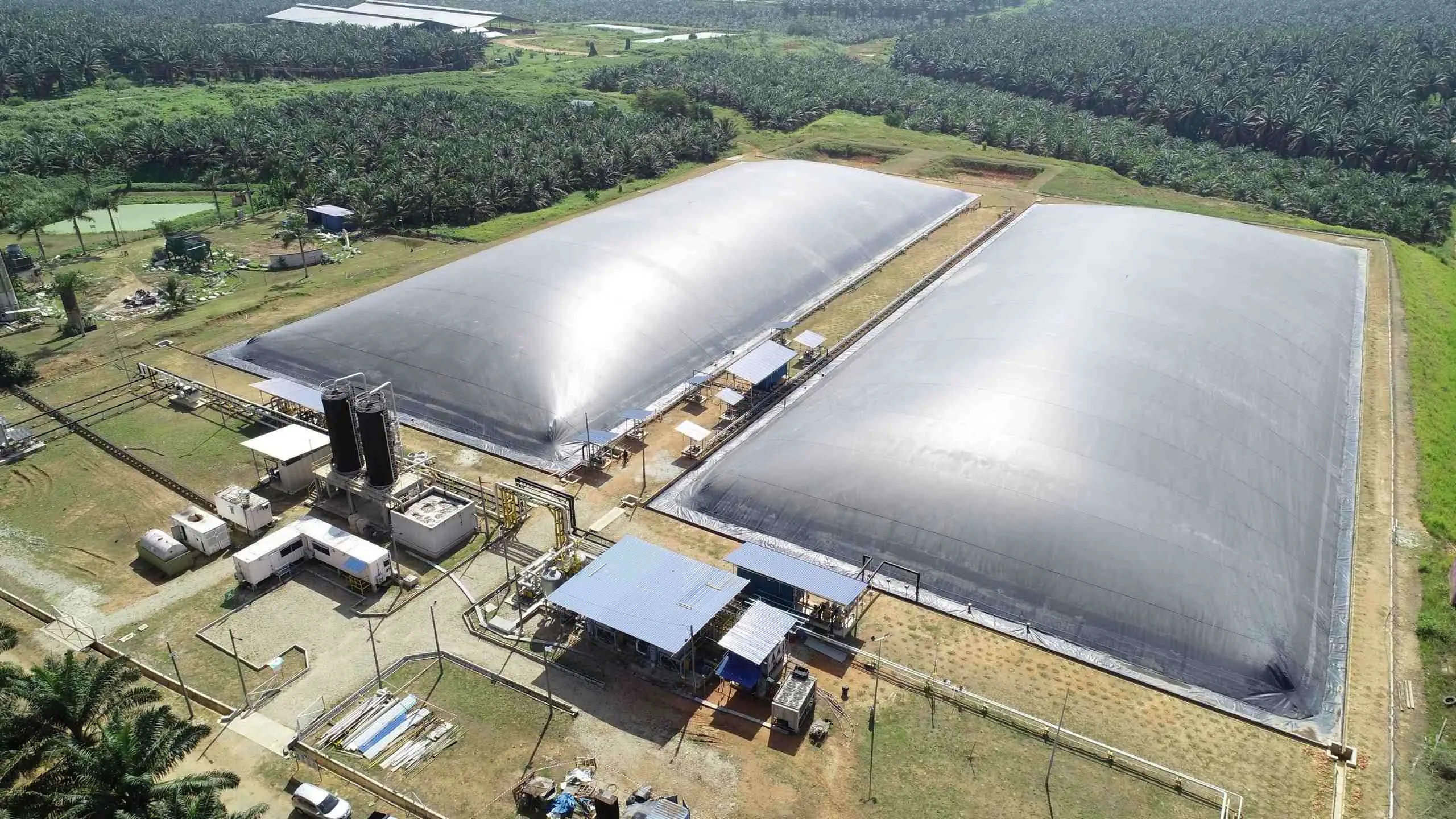
Following Malaysia’s approval for I-TRACK(G) issuance, the Green Certificate Company (GCC) has been appointed as the local issuer. Eligible biogas and biomethane facilities can register and request certificates under the framework.
Malaysia already produces biomethane. The approval adds a common system for recording, transferring and allocating its energy attributes.
Producers can offer verified energy attributes through the framework, while corporate buyers gain standardised records to evaluate potential purchases. Actual availability depends on registered facilities, verified production and certificates being issued and offered for sale.
What Does the One I-TRACK(G) Certificate Represent?
The International Tracking Standard Foundation
Each I-TRACK(G) certificate represents the energy attributes of 1 MMBtu (approximately 293 kWh) of verified biogas or biomethane production.
Biogas is produced by breaking down organic material. Upgrading it removes carbon dioxide and other components to produce biomethane, also called renewable natural gas. Biomethane can be used interchangeably with fossil-derived natural gas, although its lifecycle emissions depend on its source, processing and transport.
Buyers should distinguish between certificates representing biogas and those representing upgraded biomethane, as their suitability depends on the intended application and reporting requirements.
The quantity uses a lower-calorific-value measurement basis. When matching certificates to consumption, companies need to ensure their consumption figures use the same basis.
Importantly, I-TRACK(G) is an energy attribute certificate. It represents attributes associated with an energy quantity, rather than a tonne of emissions reduced or removed.
How Does Book-and-Claim Work?
The I-TRACK(G) framework supports different chain-of-custody approaches, including book-and-claim, mass balance and physical segregation. This article focuses on book-and-claim, where certificates can be purchased separately from physical gas.
Under this approach, a company purchases certificates and has them redeemed for its benefit. Redemption removes them from further trading and records the allocation of their attributes to the designated beneficiary. The company’s existing physical fuel supply can remain unchanged.
The purchase therefore does not establish that biomethane was delivered to the company’s facility. It establishes the allocation of the attributes recorded in the certificates.
Incorporating Biomethane Certificates Into Corporate Energy Strategies
Physical biomethane procurement requires companies to consider delivery arrangements and operational needs. For certificates, businesses need to assess whether the purchased attributes support their intended sustainability claims.
For example, a manufacturer operating multiple facilities may be able to arrange physical biomethane supply at one location but face infrastructure limitations at another. In such cases, purchasing biomethane certificates could be an alternative, provided the relevant reporting framework accepts their use.
Regional businesses also need to assess each relevant market. Approval to issue certificates in Malaysia does not establish that they will be accepted for every claim in another country.
Companies should consider how planned efficiency improvements or equipment changes could affect their future energy needs before deciding purchase volumes and contract terms.
Related: Decarbonising Hard-to-Abate Sectors in Southeast Asia: Challenges and Pathways
Can Certificates Reduce Reported Scope 1 Emissions?
Not automatically. Purchasing renewable gas attributes does not, by itself, establish a reduction in reported Scope 1 emissions or progress towards a climate target.
In its August 2023 interim update, the GHG Protocol stated that it had not established definitive guidance on accounting for biomethane certificates. Companies should therefore consult relevant reporting rules, target-setting programmes and auditors before making emissions claims.
Before committing budget, a company should establish what it intends to report and whether the relevant rules accept the proposed certificate use. Acceptance of a renewable gas attribute claim should not be assumed to permit an adjustment to its emissions inventory.
What Should Companies Check Before Buying?
Once the intended use is clear, corporate buyers should assess three areas before comparing certificate offers:
- The product: Production location, feedstock, production period, quantity and any required carbon-intensity information.
- The rights and records: Which attributes and associated emission-reduction rights are included or retained, potential overlap with other instruments, and the redemption evidence provided.
- The commercial terms: Available volume, price, contract duration and delivery timing.
Certificate information and redemption requirements are set out in the I-TRACK(G) Code, introduced by the I-TRACK Foundation and Global Gas Tracking in May 2026.These checks help establish whether an offer meets the company’s requirements before price becomes the deciding factor.
What This Means for Renewable Gas in Malaysia
The introduction of I-TRACK(G) creates a new opportunity for businesses to explore renewable gas procurement beyond conventional physical supply arrangements.
However, as the market develops, companies should look beyond certificate availability and pricing. Understanding certificate origin, environmental attributes, reporting eligibility and contractual terms will be essential to making informed procurement decisions.
For businesses that rely on natural gas, I-TRACK(G) offers another option to consider as part of their longer-term renewable energy procurement and decarbonisation strategies.
At Saxon Renewables, we help businesses evaluate renewable energy procurement options, assess environmental attribute certificates and navigate evolving market requirements across Asia.
Find out how I-TRACK(G) certificates could fit your energy procurement and reporting needs.
Last updated: November 2026